
Whoa! This isn’t another rehashed wallet pitch. It feels different. The way we sign contracts today is messy. My instinct said “we can do better” the first time I watched a friend accidentally approve an infinite allowance. Seriously? That was a wake-up call.
Okay, so check this out—most wallets today are single-minded. They do a decent job on one chain, or they bolt on multiple networks as an afterthought. That’s fine for small trades. But when you’re interacting with smart contracts across chains, things get weird fast. Latency. Approval sprawl. Cross-chain bridges that act like a game of telephone. Something felt off about expecting users to track all of that mentally.
Initially I thought a UI fix would be enough. But then I realized the real problems run deeper—transaction simulation, contract-level clarity, and safety defaults. Actually, wait—let me rephrase that: the UX is part of the problem, but the underlying toolset is what makes or breaks safety. On one hand, users want simplicity. Though actually, experienced traders need more transparency and smarter defaults. So there’s a tension: simplify without dumbing down.
Here’s what bugs me about most wallets: they treat every contract call like a black box. You click confirm, and hope for the best. That is not acceptable when millions of dollars can move in a single click. I’m biased toward tools that show you the guts of a transaction. I’m also pragmatic. A power-user shouldn’t scare off a newcomer, but a newcomer shouldn’t be set up to lose funds either.
What a modern multi-chain wallet actually needs
Think of a wallet as both a key manager and a translator. It should manage keys cleanly. It should also translate what a transaction will do before you sign it. Simulation is the game-changer here. When a wallet simulates a transaction, you see expected state changes, token flows, and potential reverts before you hit confirm. That single feature cuts a lot of accidental losses. For me, that was the “aha!” moment—seeing a dry-run reveal an allowance spike I would have missed. Oddly satisfying. Oh, and by the way, simulation needs to cover the whole multi-chain picture. Cross-chain swaps often involve multiple on-chain calls and off-chain relays. You need the wallet to stitch those together conceptually.
Security defaults matter too. Auto-revoking approvals when they’re only needed once. Flagging obviously risky contracts. Limiting gas fee footguns. These sound small. But they add up. A wallet that nudges users toward safe behavior will stop a lot of bad outcomes before they start. I’m not saying automations should be nanny-state level, but sensible defaults go a long way. (Also—very very important—give power users overrides.)
System-level reasoning is critical. Initially I thought a checklist UI would do the trick. Then I watched real users ignore checklists. So I evolved the idea: build the checklist into the transaction path. Show simulated token deltas inline. Show which contracts the call touches. Highlight whether an approval is permanent or limited. Offer a one-click revert or revoke where possible. This is the part where the wallet feels like more than a signer; it becomes an assistant.
My instinct also flagged privacy issues. Multi-chain tooling often leaks more metadata than users realize. If your wallet broadcasts the wrong things, attackers can correlate activity across chains. Hmm… that part gets technical fast. You need select-able privacy modes, but again, it’s a trade-off—privacy vs convenience. On some apps you’ll want maximum anonymity; in others you want transaction speed. A good wallet lets you choose without making it painful.
Let me be candid: I don’t have all the answers. I’m not 100% sure how to balance network-fee estimation with user expectations across every chain. But I know what feels right in practice. Show me a wallet that simulates transactions in advance, surfaces contract intent, and prevents common allowance mistakes—and I’ll use it more. Period.
Where smart-contract interaction trips people up
Contracts are not human-friendly. They are precise and unforgiving. I’ve seen people approve a contract thinking it’s a token swap, when it also had a fee-sweeping function tucked inside. Nearby there was panic. My gut reaction? “Why isn’t that obvious?” The truth is, smart contracts carry nuance: reentrancy vectors, permissioned functions, and hidden admin powers. A wallet that can summarize those risks in plain English, without oversimplifying, wins trust.
Practical example: a DeFi router that aggregates swaps across DEXs. It may call five pools in sequence, adjust slippage, and use permit signatures for approvals. To a user that looks like one “Swap” button. Under the hood it’s several transactions and approvals. A wallet with transaction simulation would show expected slippage, intermediary balances, and the exact allowance required. You can avoid surprises. You can also cancel if something smells off. That transparency reduces cognitive load, which is huge in volatile markets.
And the multi-chain layer? Bridges and relayers introduce latencies and failure modes. I’ve had transfers hang for hours. In that time you might get front-run, or markets move, or your counterparty cancels. Wallets should surface timing, failure likelihood, and potential front-running exposures. It’s not glamorous, but it’s where money is saved.
Also please—revoke UI should not be hidden behind three menus. Revocation should be a one-or-two click flow with clear consequences. People forget allowances exist. They pile up. Then hackers exploit one stale approval and drain funds. That part bugs me. Simple revocation tools save people from smart contract complexity without making them devs.
Experience-driven features that matter
Here are features I think actually change user outcomes:
- Simulation-first confirmations: dry runs that show exact token deltas and contract calls.
- Contextual approvals: temporary vs permanent, and clear indicators before signing.
- Cross-chain transaction composer: see the multi-step path, including bridge hops.
- Automated revokes and easy allowance management.
- Safety scoring for contracts, with sources and evidence.
- Privacy modes for sensitive operations, configurable per-network.
Build those things well, and you shrink the attack surface. Build them poorly, and you create a false sense of security. There’s a difference between checking boxes and actually solving problems. This part is soulful engineering—product decisions that honor both speed and safety.
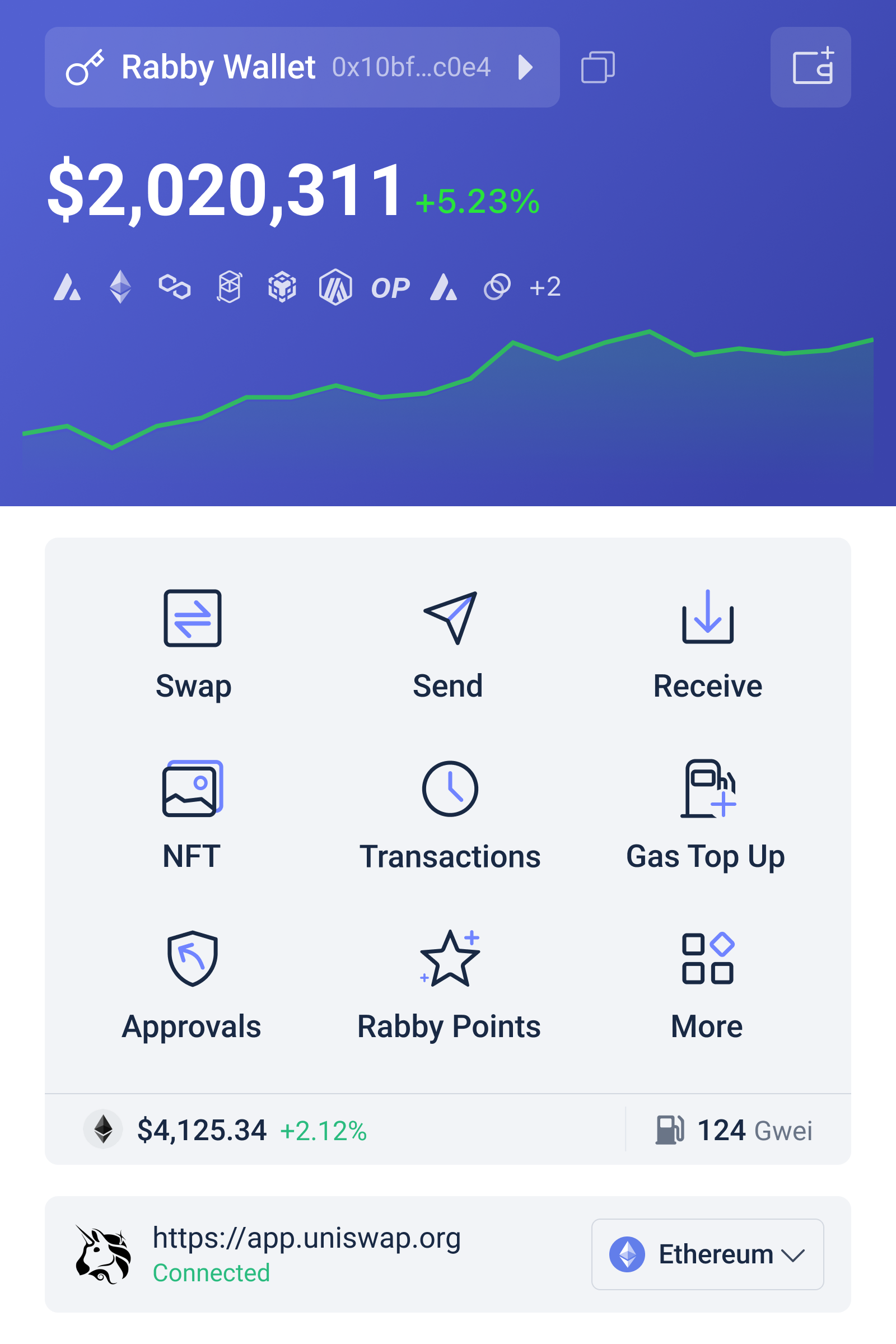
One wallet I’ve been using in that space is rabby wallet. It nails many of these ideas: simulation tooling, clearer approvals, and a multi-chain focus that feels native rather than tacked-on. I’m not paid to say that—it’s just practical. It saved me from signing a bad approval during a rushed trade last month. True story.
FAQ
Do transaction simulations add noticeable delay?
Sometimes. Good implementations cache results and run simulations in parallel with gas estimation. You might wait a second or two, but the payoff is avoiding a multi-thousand-dollar mistake. Personally I prefer a short pause to blind signing…
Can a wallet really tell me if a contract is safe?
Not perfectly. It can surface red flags: admin keys, unlimited minting, or dangerous allowlists. It can’t predict every exploit. But a combination of contract heuristics, reputation signals, and simulation results gives you much better visibility than zero information.
What about new chains with weird gas models?
They complicate UX. The wallet must abstract gas while showing key details. Let advanced users control gas; give newcomers a safe default. Over time the wallet should learn your preferences and adapt, not force them into a one-size-fits-all flow.
Alright, to wrap up—well, not a neat summary because I’m not big on tidy endings—here’s the takeaway: multi-chain wallets need to be translators and safety nets. They should simulate, explain, and prevent obvious mistakes while letting experienced users move fast. This isn’t rocket science. It’s thoughtful product design plus strong engineering. If your wallet focuses on visibility and sane defaults, you won’t just build a tool—you’ll earn user trust. And trust is the scarce resource in DeFi.