
Okay, so check this out—Phantom feels like the browser extension that finally made Solana feel tidy and usable on the desktop. Wow! It snaps into the browser, shows NFTs cleanly, and handles SPL tokens without too much fuss. My first impression was: simple, polished, too good to be true. Initially I thought it would be another clunky tab, but then I noticed how fast key operations felt and how the UI anticipates common tasks, though actually there are tradeoffs to keep in mind that I want to walk through.
Whoa! Seriously? Yes. The short version: Phantom is a polished, user-friendly wallet extension for interacting with the Solana ecosystem, but it’s not a magic bullet. Hmm… lots of folks treat it like one-click trust. That part bugs me. You should treat any browser extension with healthy caution—especially when it manages private keys. On the other hand, the convenience is real; connecting to DEXs, staking, and managing NFTs is way easier than juggling a CLI or multiple hardware flows.
Let me be clear—this is not a deep security audit, and I’m not claiming to have tried every edge case. I’m biased toward usability, so some security tradeoffs feel more or less acceptable to me. My instinct said protect keys with hardware whenever big sums are involved. Actually, wait—let me rephrase that: for small daily interactions Phantom is fine, but for long-term cold storage you probably want a hardware wallet. On one hand Phantom integrates well; on the other hand, it’s still a hot wallet in your browser, which means different threat models.
Where to get it and why the official source matters
If you’re ready to try it, grab the extension from the official source: phantom wallet download extension. Really? Yes—always get the extension from a verified link and double-check the extension author and reviews in the browser store. Scammers copy names and icons. Somethin’ as simple as a typo in a URL can cost you everything, and I’ve seen that pattern play out in community threads more times than I’d like.
Here’s the thing. Extensions live in your browser context and can—if compromised—expose keys or prompt malicious transactions. Medium-length explanation: Phantom keeps private keys encrypted locally, and it uses the browser’s extension APIs to sign transactions. Longer thought: though local encryption is good, the extension’s security posture depends on browser updates, OS security, and user behavior, so you have to manage a bunch of moving parts simultaneously and be mindful of phishing attempts that try to trick you into approving dangerous transactions.
Usability notes: account creation is straightforward. Recovery phrases are shown once and you must store them offline. Wow! That step is crucial. Seriously? Yes—if you copy it to cloud notes or an email you are inviting risk. Most users know this. Yet some still stash phrases in plain text. On a personal rant—this part bugs me because it feels avoidable, but people do dumb stuff under convenience pressure.
Phantom supports multiple accounts inside the extension. It shows NFTs with images, and the interface helps you switch networks (mainnet, devnet) without too much fuss. Longer, more technical thought: the wallet leverages Solana’s signature scheme and often uses signed messages for dApp authentication rather than repeatedly exposing the seed, which is better design—but ultimately, approvals are user-driven and social engineering remains a top risk vector.
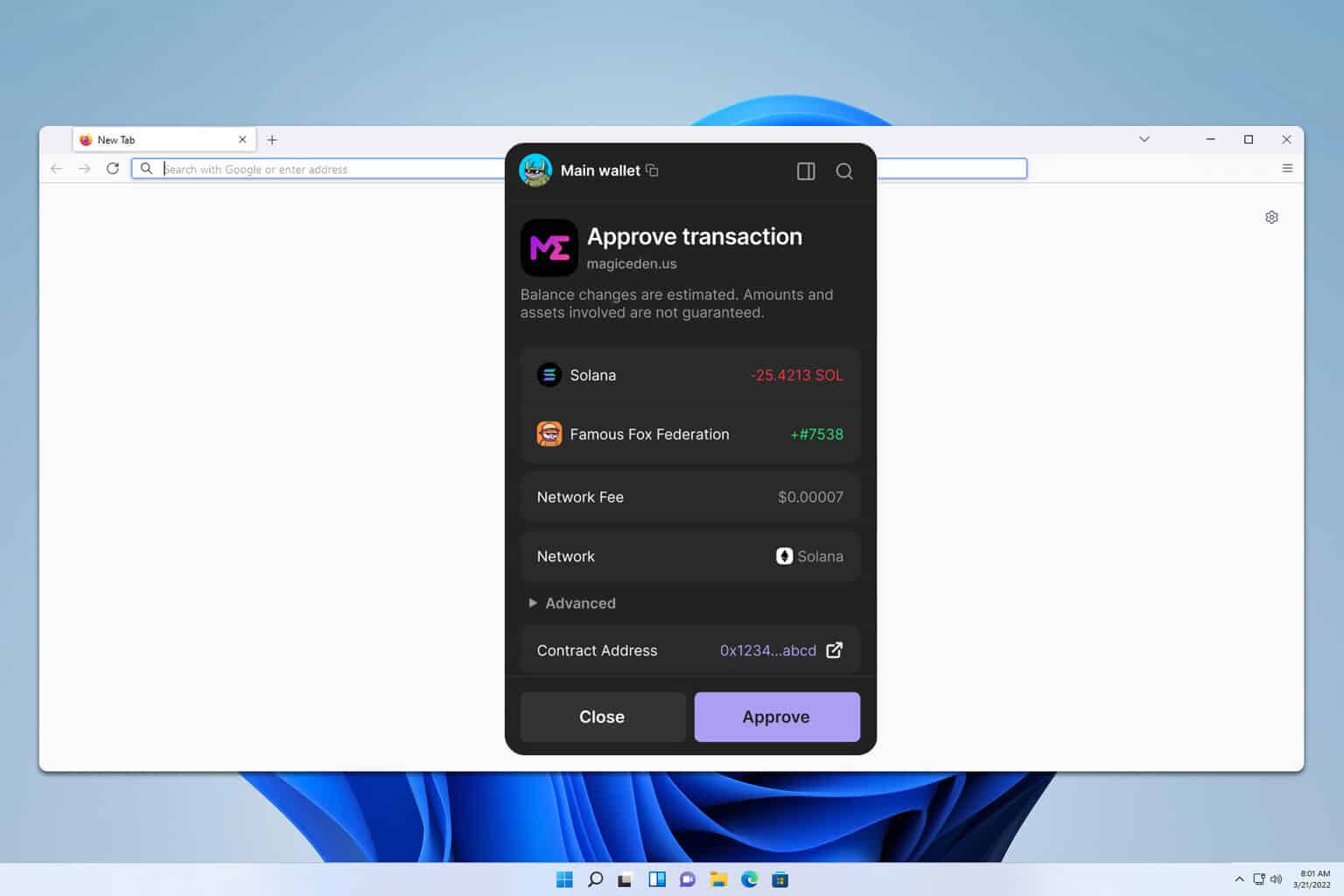
Okay—let’s talk integrations. DEXs like Serum and Raydium, NFT marketplaces, games, and staking dashboards all integrate with Phantom via the Wallet Adapter ecosystem. Hmm… that’s a mouthful. In practice it means one click connect flows on many sites. Initially I thought one-click connect would lead to reckless approvals, but many dApps now present transaction details clearly—though the clarity varies and sometimes they bury fees or approval scopes in fine print. So be cautious, read each prompt, and don’t approve anything that looks off.
One practical tip: enable transaction notifications. It’s a small setting, but when something weird pops up you’ll get an alert and can react quickly. Another tip: keep tiny amounts in the “hot” account you use daily, and move the bulk to a cold setup. I’m not 100% sure this is perfect, but it’s a usable compromise for most people.
Phantom also offers a built-in swap feature for quick token exchanges. It’s convenient, and fees are usually lower on Solana than on many chains. On the other hand, slippage and liquidity can bite you if you don’t set parameters carefully. So yeah, use swaps for small or well-known pairs and double-check the route and price impact before confirming.
Security nuances. Phantom recently added support for hardware wallets (Ledger, others), which is a big plus. Initially that seemed like a checkbox feature; then I dug into the flow and realized it meaningfully reduces exposure because signing stays on the hardware device. However, hardware integration can be slightly clunky—sometimes drivers or firmwares cause hiccups—so patience helps. Also, always confirm address displays on the device when possible.
There are some limitations. Phantom’s extension model means browser compatibility matters. If you’re using privacy-focused browsers or heavy ad‑blocking, you might see odd behavior. Also, cross-device sync is intentionally limited to avoid leaking keys to cloud services. That means recovery phrases are the fallback. So yes, convenience is traded for a bit more manual key management.
Developer and power-user notes: Phantom exposes a JS API via Wallet Adapter, which makes it easy for devs to support the wallet quickly. Longer thought: this rapid adoption helps ecosystem growth but can also encourage quick dApp launches without rigorous security reviews, creating a bumpy landscape for end users who can’t always tell reputable dApps from copycat scams.
FAQ
Is Phantom safe for beginners?
Short answer: reasonably, if you follow basic precautions. Use official download sources, back up your seed phrase offline, avoid approving transactions you don’t understand, and consider hardware for larger balances. I’m biased toward caution, but most new users can manage small daily interactions fine.
Can I use Phantom on mobile?
Yes—Phantom has a mobile app, but the extension is primarily for desktop browsers. For mobile, treat the app like any hot wallet: keep small balances and use extra device protections. Some people prefer mobile wallets for everyday use, though the extension often offers a richer dApp browsing experience.
What if I lose my seed phrase?
If you lose it, you effectively lose access. There is no central recovery service. Wow! That’s brutal but true. Backup in multiple offline places—paper, hardware encrypted backups, secure deposit boxes. Seriously, it’s worth the extra effort.